


 The Sleep Education Consortium – the premier, 3-day, educational experience focusing on the growing link between dentistry and sleep medicine.Combination Therapy with Appliance, CPAP and moreNew frontiers in orthognathic surgeryEarly intervention orthodonticsClear Aligner Therapy for airway managementProper Impressions and Bite Registration TechniquesIntegrating 3D TechnologyRemote Patient Monitoring to enhance patient management
This Consortium includes lectures, hands-on experience,Q&A and panel discussions.Click Here to RegisterSML Product CatalogPrescription Forms | Shipping LabelsWith locations throughout the…

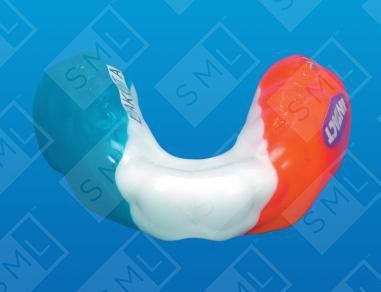 Should Your Child Patients Wear a Mouth Guard for His or Her Sport?
Your patient child’s teeth are important, even if they still have their baby teeth. Getting a hit straight to the mouth can push teeth out of position, which can affect the growth of adult teeth. If your child has shed their baby teeth, then a mouth guard becomes even more important to protect their permanent teeth from damage during sports. When should you consider recommending a mouth guard for your children?
The U.S. National Collegiate Athletic Association requires a mouth guard for certain sports, including football, hockey, and lacrosse. The American Dental Association goes much further, suggesting a mouth guard for basketball, boxing, gymnastics, martial arts, rugby,…
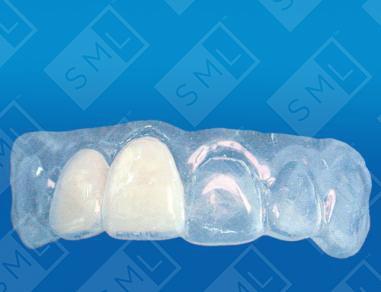 When you think of tooth loss, the image that comes to mind may be that of tucking a baby tooth under your pillow at night, hoping for the tooth fairy to replace it with something spendable. You might picture your grandparents placing their dentures in cleaning solution on the bathroom sink each night. That’s a sobering image.
The fact is, while often associated with the very young or the very old, premature tooth loss can occur at any age – and is more common than you think. A bad fall. A car accident. An episode of fisticuffs where your teeth are the real losers. All could end in premature tooth loss. Serious gum disease or even oral cancer can also result in tooth loss at any age.
So what are your options if you experience premature tooth loss?
Dentures (for…
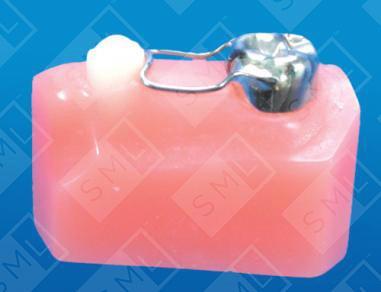 Ready to expand your practice and improve your cash flow? One way to do that is to offer more services. In particular, pediatric dentistry may allow you to offer a wider range of services for children who are more likely than adults to have dental insurance coverage. Children can face a range of dental needs, including space maintenance, space regaining, arch development, and habit control.
In order to expand your pediatric dental offerings, you will need to find a reliable source of high quality pediatric dental appliances. SML Global can be that resource. Our network of dental labs stretches the globe and offers a wide variety of pediatric dental appliances, including unilateral space maintainers, lingual arches, fixed tongue loops, and more.
Visit our website and view…
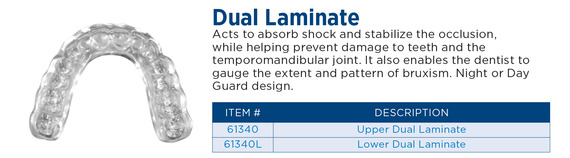
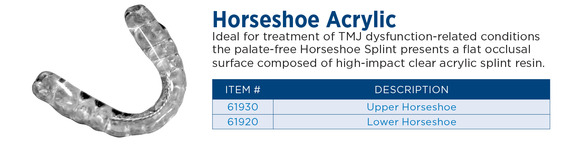
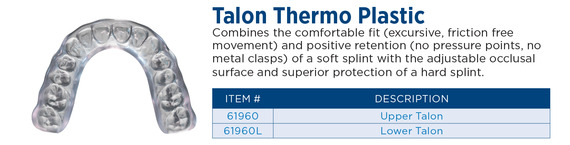
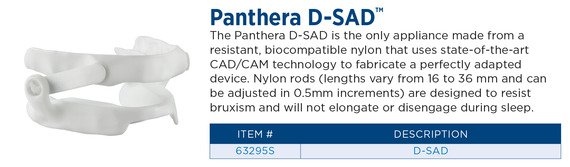
Most of us think about mouth guards in relation to high impact sports, like football, wrestling, boxing, and basketball. In these instances, mouth guards can protect teeth from the impact of a stray elbow or knee. For many Americans, however, the greatest risk of tooth destruction comes from grinding, also known as bruxism.
Though some people grind their teeth out of habit during times of stress, anxiety, or boredom, most bruxism sufferers have no idea of their affliction. That’s because they tend to grind their teeth in their sleep. Over time, teeth grinding can wear away the enamel on teeth and cause chronic headaches and jaw pain.
One very simple solution to decreasing teeth trauma and alleviating the symptoms of bruxism is for a person to simply use a mouth guard. Just as it protects teeth in contact sports, a custom-fitted mouth guard can also protect teeth from grinding to decrease trauma. If you suspect that you grind your teeth at night, talk to your dentist…
 Final Retention: Post-Treatment Crowding and Post-Treatment Expectations
I think it would be safe to say that 75 – 80% of all patients experience some relapse or crowding long term, when they stop wearing their retainer(s). Patients always want to know why. So, for the purposes of this blog, here is a sampling of potential causes:
Insufficient airwayMouth breathingTongue position and habitsForces created by speechAberrant SwallowingFinger habitsChewing on pensStraight teeth but deficient arch width and/or lengthExtraction treatmentSeverity of the malocclusion prior to treatmentBruxingAge of patient at time of treatmentMesial driving forces of 2nd and 3rd molarsLack of vertical dimensionThe reality is…retention is forever. Educating your…

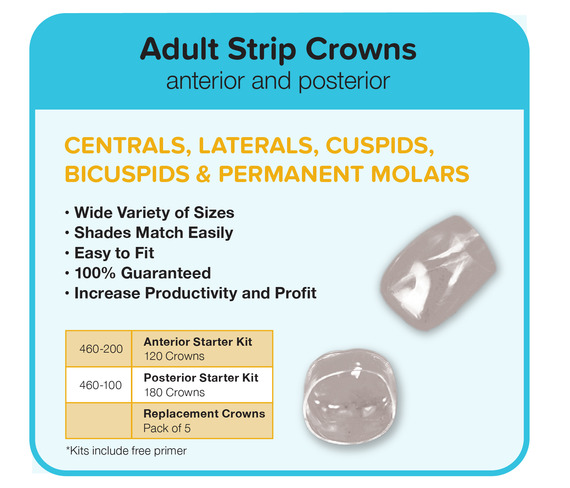
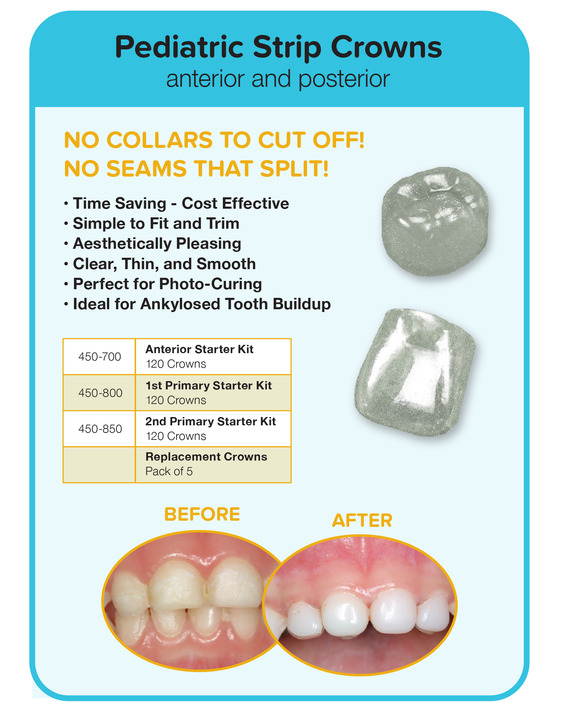
SML Product Catalog With locations throughout the United States, Canada, Australia, and Taiwan, SML® services more than 150,000 dentists and orthodontists worldwide, providing direct and personal access to everything required for success in appliance therapy…and we’ve been doing it for more than 60 years. We specialize in the design and fabrication of orthodontic…
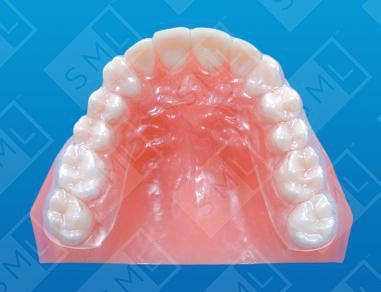 Zendura Invisible Retainer After Clear Braces
If your patients chose clear braces to correct malocclusions, these decisions indicate that they care about limiting the visibility of dental work. Many teens do not like the idea of smiling with a “mouth full of metal.” This is especially true for adults who work in a professional environment. However, after the braces come off, patients still need to wear a retainer to maintain their progress. Patients who are sensitive to highly visible dental work may prefer the Zendura Invisible Retainer.
As its name suggests, the Zendura Invisible Retainer is made from a clear polymer that achieves a high level of translucence. Patients will appreciate that this retainer is not easy to see and is also simple to remove. These…