


Free CE Webinar - Wednesday July 24, 2024
Register: Learnsml.com/oraklenz
Download the Flyer for the Event Here.
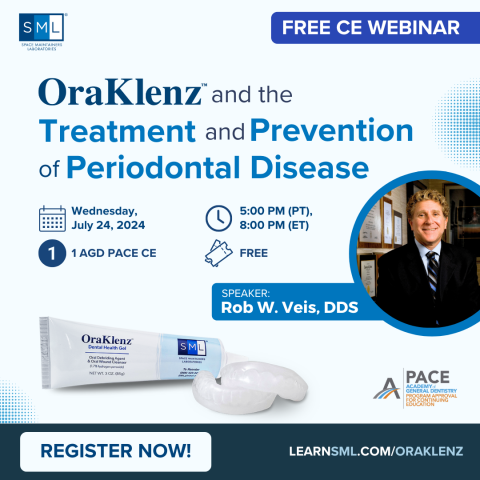
Free CE Webinar - Wednesday July 24, 2024
Register: Learnsml.com/oraklenz
Download the Flyer for the Event Here.

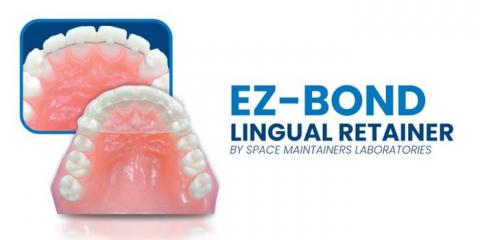
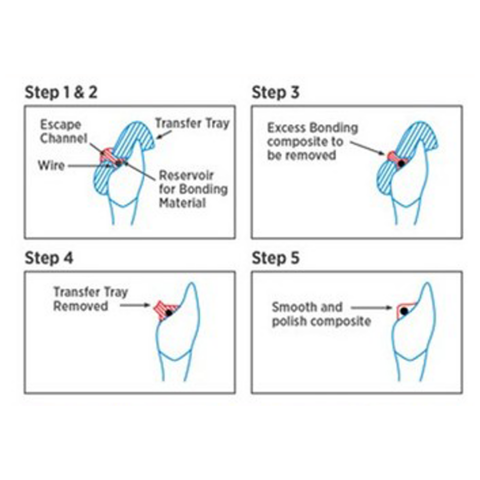
The E-Z Bond Retainer is a multi-strand, dead-soft wire that is carefully contoured to the lingual of the six anterior teeth -- and is light-cured (with composite) to each of the six anterior teeth. The key advantage to this appliance is the laboratory-fabricated transfer tray that makes correct placement of the wire easy -- and with a minimum of chair time. The transfer tray has small…
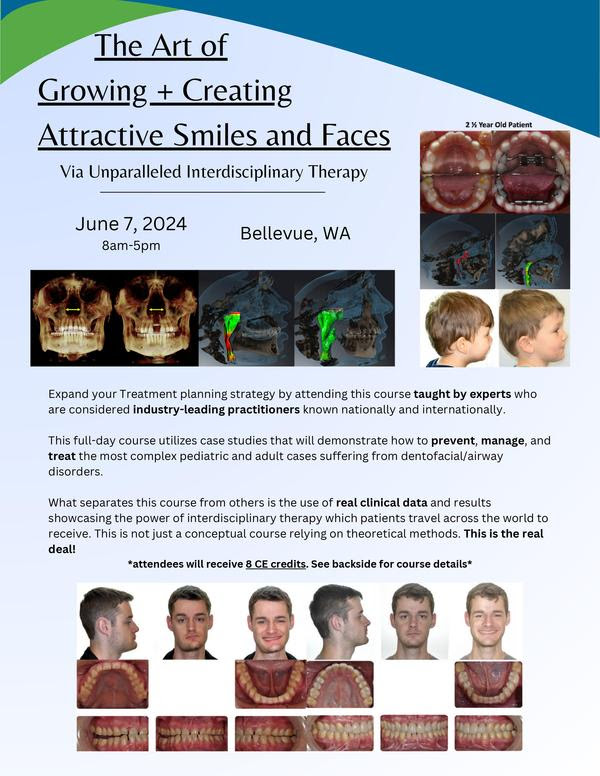
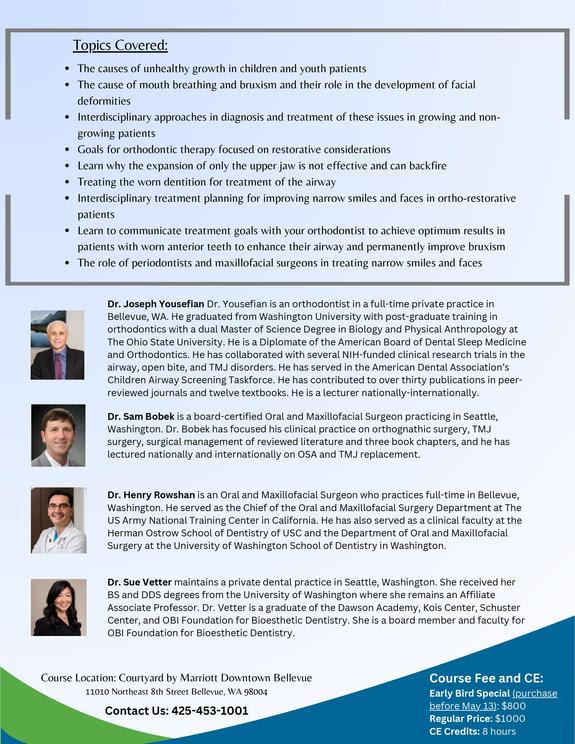
https://www.eventbrite.com/e/the-art-of-growing-creating-attractive-smiles-and-faces-tickets-809389183837?aff=oddtdtcreator
Lamberg SleepWell Now Medicare Cleared!
Reduce or Eliminate Snoring. Superior patient compliance ideal for difficult bruxing cases. Easily adjust the vertical at anytime.
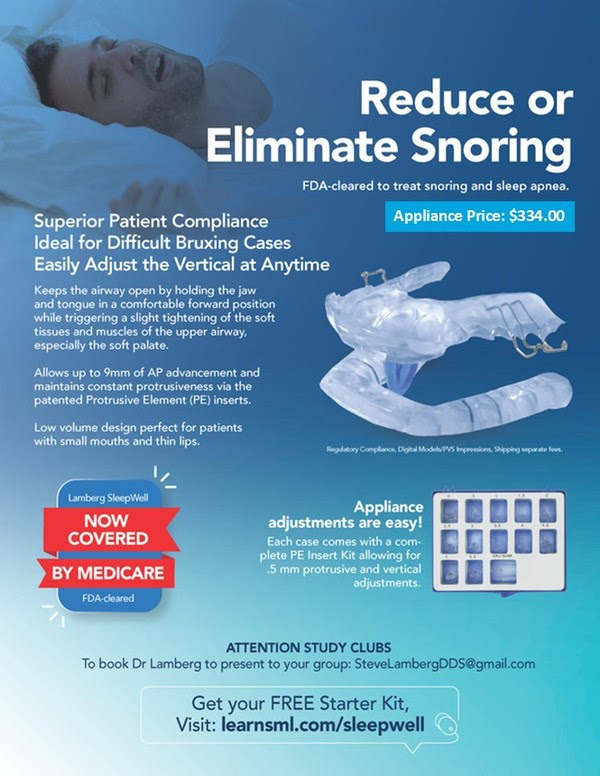
Note: Above fees do not cover ancillary costs such as printing or pouring up models,regulatory compliance, taxes, and shipping.To Learn More, Click HERE
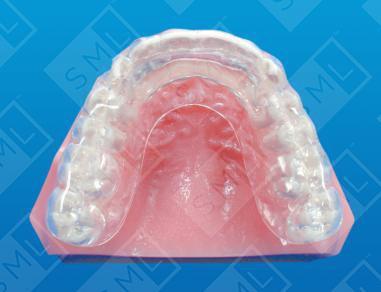
Occlusal splints are custom-fit, removable devices crafted from durable acrylic. Designed to fit over the biting surfaces of the upper or lower teeth, their primary aim is to establish a precise bite alignment with the opposing teeth. As versatile tools in dental care, these splints serve several critical functions:
It’s a fact: those suffering from gum disease are two to three times more susceptible to heart attack, stroke or other serious cardiovascular event – most commonly heart dise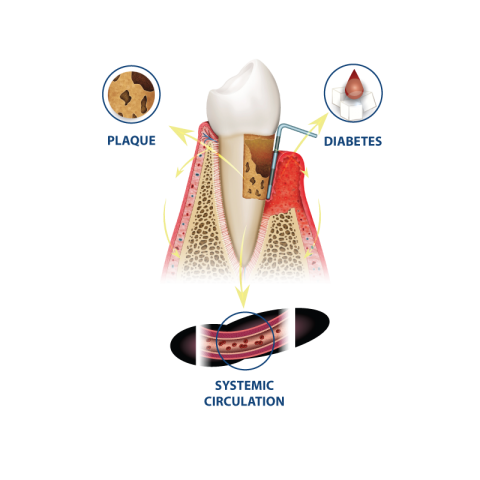 ase and atherosclerosis. And, of course, the operative word in all arterial infections - in fact all systemic infection - is “inflammation.”
Inflammation is frequently the result of oral bacteria entering the blood stream via the “gateway” of the mouth and gums. Once in the bloodstream the bacteria combine with fat deposits to create plaque and restrict blood flow. Restricted blood flow and a compromised immune system can lead to clots, which obstruct the arterial pathway, weaken your body’s…
A connection between gum disease and Alzheimer’s Disease? Yes. Bacteria associated with AD (F. nucleatum – also linked to conditions ranging from colorectal cancer to premature delivery of babies.) -- have been isolated in the periodontal pockets and along the nerves extending from teeth to tissues in the brain. When these bacteria are introduced into brain cultures, an abnormal proliferation of immune (microglial) cells results. The over-abundance of immune cells triggers chronic inflammation which appears to be the key determinant in the p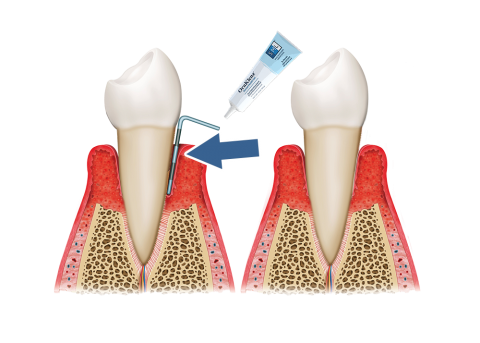 rogressive cognitive decline that occurs during Alzheimer’s disease
Translational research is currently being aimed at…
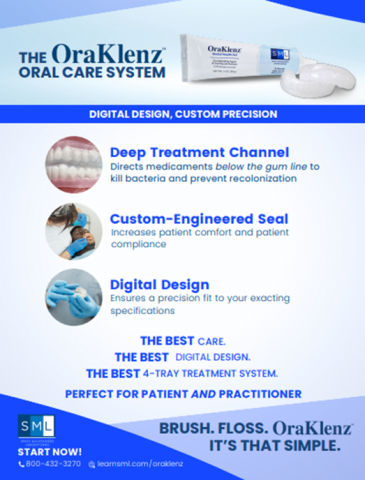
For YOU, the dentist, the OraKlenz System fulfills the potential for implementing an optimized treatment/therapy plan – greatercontrol for better results, better patient management and greater pricing flexibility. It also provides an opportunity for significant practice expansion…potentially a growth of $100,000 (150 new patients) per year.
For your patients, the 4-tray, at-the-source treatment of bacterial inflammation and infection -- and the control and protection provided by such a system -- will definitely come as a breath of fresh air to those struggling with chronic halitosis and/or gum disease; those faced with the possibility of oral re-infection; those at…
THE GATEWAY TO ORAL HEALTH: Helping the Respiratory-at-Risk Breathe Easier
Entrenched as we are today in the prevalence of COVID-19 and its disturbingly relentless resurgences, it behooves us to consider the viral gateway that has made such devastation possible. Accumulating evidence over the past decade has suggested that oral disorders, particularly periodontal disease may indeed influence the course of respiratory infections.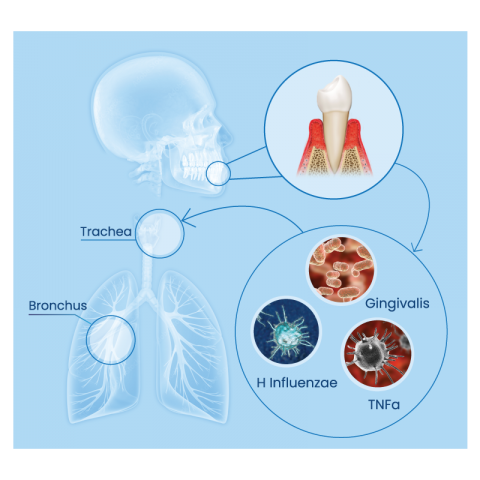
The gateway? Inflammation creates bacterial plaque which can be aspirated into the lungs where colonization and infection result in airway compromise, increased immunological susceptibility, and full-on obstructive pulmonary infection.
Consequently, eliminating gum disease from this picture could prove to be of significant…
The American Dental Association notes that diabetes and periodontal disease have a “bidirectional” relationship: while high blood sugar increases the risk of gum disease, gum disease makes it difficult to control blood sugars, potentially increasing A1C levels. (Figure A)
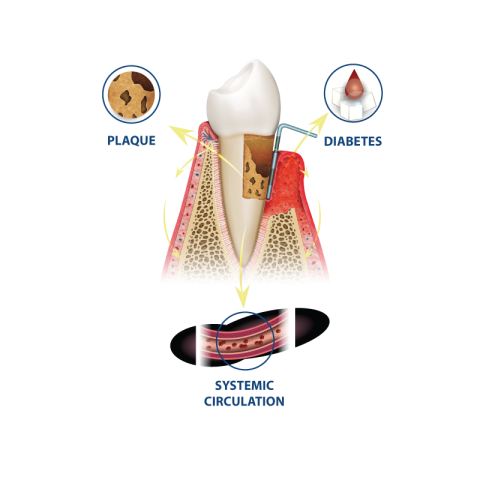 Gum infections can increase blood sugar levels, which can make it more difficult to manage diabetes. High blood sugar levels can result in:
Consequently, eliminating gum disease from this picture could prove to be of significant…