
Cart


Blog
Image
BlogBanner_02_0.jpeg

Blog

1118Help Your Patients with a Lip Biting Habit?

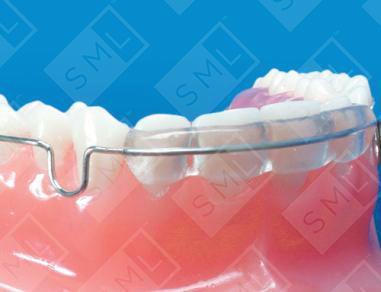
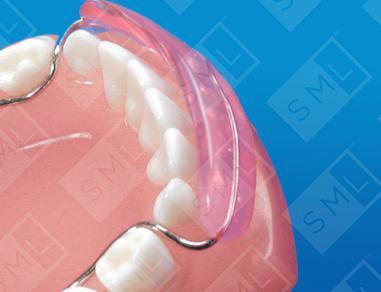
We all know that dentists specialize in helping you keep your teeth healthy and beautiful, but what about your lips? If you tend to gnaw on your lips when you are nervous, anxious, or bored, then your lips are probably in need of some help! A lip biting habit can leave lips full of painful sores and scabs, not to mention unpleasant to look at and especially to kiss!If you want your lips to be healthy, beautiful, and oh-so-kissable, it’s time to get rid of that lip biting habit. Your dentist can help! He or she can actually work with a third-party dental lab, like SML Global to manufacture a personalized dental appliance that fits over your teeth and makes it impossible for you to chew or bite on your lips. The device looks a little…

New Study Finds That Adults Still Not Getting The Dental Care They Need

The American Dental Association’s Health Policy Institute (HPI) released an analysis that showed dental care use by adults has not improved even with the enactment of the Affordable Care Act.

According to the analysis, the top two reasons adults they surveyed don’t intend to see a dentist in the next 12 months is because of the cost and they don’t see the need for preventative care. Respondents to the HPI survey also cited lack of transportation, anxiety, and difficulty finding a dentist who will take Medicaid payments as reasons for foregoing a checkup.

The HPI suggests several additional reasons for low dental compliance, including the fact that the Affordable Care Act does not require…

SnoringAsk Your Patients About Sleep & Snoring

As a dentist, you are well versed in the art of asking your patients how often they brush and floss. You’re also probably pretty good at making small talk to get through longer appointments and procedures.

You might want to add a few new questions to your dental conversations. Though these questions may be a little awkward, they can help you provide help to your patients who need it.

Ask your patients if they snore. Ask if their partner complains about their snoring. Ask if they sleep soundly through the night or are experiencing unusual fatigue in the mornings.

imageArch wires are a critical tool for orthodontists. The type of wire you choose for your patient can directly determine how quickly your intervention progresses -- as well as the quality of the ultimate outcome.

There are many different arch wires on the market, each ideal for a different situation. Do you have a wide variety to choose from at your practice? If not, you might not be giving your patients the very best service possible.

Because arch wires come in a variety of sizes (from .014 mm to .022), shapes (tapered, square, ovoid) and materials (like stainless steel or activated nickel titanium) variety and choice are key.

Provide your patients with the most tailored interventions possible. Take a moment to take a look at the large selection of arch wires…

crowded teethWhy Do Some Children Have Crowded Teeth?

Isn’t it strange how one sibling can have perfectly spaced teeth while the other sibling has crooked and crowded teeth? Why does this happen? Well, in some cases, a child’s mouth simply doesn’t grow big enough to accommodate all of their teeth. As a result, the teeth push together, overlap, and become crooked.

Braces can’t fix this problem, at least not right away. First, a dentist must actually make the child’s jaw bigger. A dentist does this by using a special device, known as a palatal expander or a Hyrax expander. The Hyrax expander comes with two arms that push gently and steadily on either side of the maxilla (the upper jaw). Each week, the dentist (or the patient if he/she is old enough) turns a screw to…