



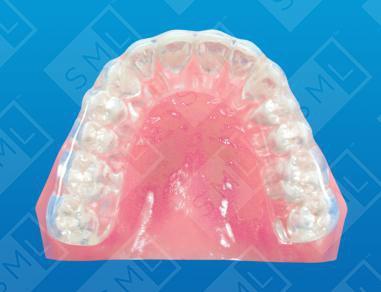
 Chronic bruxism may lead to sensitive, decayed, fractured, loose or missing teeth. Grinding or clenching breaks down enamel and can eventually wear teeth down. The absence of enamel makes it easier for bacteria to penetrate the softer part of teeth and produce cavities. As long as bruxism continues, the situation worsens.
Successful management of bruxism depends firstly upon determining whether or not it is caused by a sleep disorder. If this is the case, treat the sleep problem first. Once it has been confirmed that there is no sleep dysfunction, the focus should be on minimizing the abrasion of tooth surfaces by the wearing of a dental splint on the individual’s upper or lower teeth. When you consider the need tor interceptive care — not just…
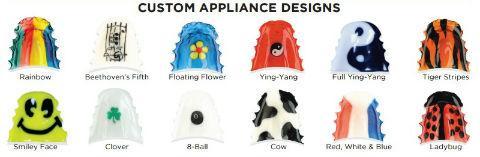
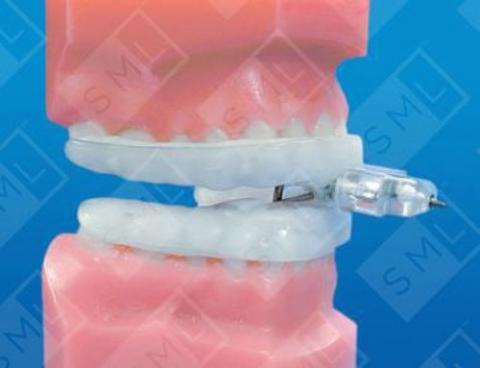 TAP® system provides a comprehensive therapy that yields both high clinical success as well as outstanding reports of patient satisfaction. Clinical Studies Results from clinical studies provide the best information to help the dentist choose an appliance. Studies show that a good appliance will provide excellent treatment results, maintains low morbidity rate, and still remain a viable economical alternative to other treatment options.
 If you think back, you may be able to remember what it felt like to wake up after a long night of deep, uninterrupted sleep. You felt refreshed, invigorated, and motivated. Your mind was clear and sharp, and you could easily navigate all the different twists and turns your job threw at you.
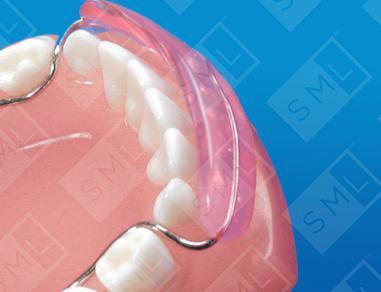 Help Your Patients with a Lip Biting Habit?